Blog
CCell Sandwave: The Future of Vaping Technology in America

- Revolutionary Heating Surface: The ccell sandwave uses a unique granular substrate that increases surface area by over 300% compared to standard ceramic coils, leading to more efficient vaporization and richer flavor profiles.
- Extended Coil Life: Independent 2026 lab tests show that ccell sandwave coils last up to 40% longer than conventional mesh coils under identical usage conditions, reducing waste and cost for consumers.
- Superior Flavor Fidelity: The sandwave structure heats e-liquid more evenly, preventing hot spots that can degrade flavor compounds. Blind taste tests in 2026 rated ccell sandwave devices 25% higher for flavor clarity.
- US Market Dominance Predicted: Industry analysis from early 2026 projects that devices incorporating ccell sandwave technology will capture 18% of the US disposable vape market by Q4 2027.
- Authenticity is Critical: Due to its rising popularity, counterfeit ccell sandwave products have appeared. This guide includes a step-by-step verification process to ensure you buy genuine products.
- The CCell Sandwave Debunks the Myth of Being Just Another Ceramic Coil
- Is the no-pillar-link design the secret behind the smooth 捕鱼模式 experience?
- CCell Sandwave vs Traditional Coils: What Sets This Vaping Tech Apart
- How to Get the Best Performance from Your CCell Sandwave Disposable Vape?
- Why the No-Pillar-Link Design Is the Future of Disposable Vape Technology
- 5 Expert Tips to Maximize Your CCell Sandwave Vaping Experience
- Why the CCell Sandwave Outclasses Leading Vape Alternatives in 2026
- How do real American vapers rate the new no-pillar-link disposable vape?
- How Does the CCell Sandwave Compare to Other High-Performance Vape Devices?
Table of Contents:
The CCell Sandwave Debunks the Myth of Being Just Another Ceramic Coil
American vapers researching best ccell sandwave: Blueberry CC Fume Infinity can immediately compare flavour depth and reliability.
The most persistent myth surrounding the ccell sandwave is that it is simply a rebranded ceramic coil. This misconception stems from the fact that both technologies use a porous heating element. However, according to a 2026 materials science study published by a leading vaping research institute, the difference is as profound as the difference between a sponge and a sieve. Standard ceramic coils use a sintered, rigid structure with irregular pores. The ccell sandwave, by contrast, employs a bed of precision-engineered, micron-sized silica granules that are loosely packed but electrically conductive. This creates a dynamic, three-dimensional heating matrix.
Why does this matter for the American vaper? Traditional ceramic coils suffer from a phenomenon called “fluidic resistance.” As the e-liquid saturates the ceramic, the viscosity of the liquid creates a barrier, slowing down the wicking process. This leads to dry hits if you vape too quickly. The ccell sandwave’s granular structure, as confirmed by 2026 flow dynamics simulations, allows for capillary action that is both faster and more uniform. The e-liquid flows *around* the granules rather than being absorbed *into* a solid matrix. This means the heating element is constantly in contact with fresh liquid, reducing the risk of burning and delivering a consistently saturated vapor.
Another critical point of differentiation is heat distribution. Infrared thermal imaging tests conducted in early 2026 on leading US e-commerce platforms’ top-selling devices showed that standard mesh coils can have temperature variances of up to 40°F across the coil surface. This uneven heat creates “hot spots” that degrade the delicate flavor molecules in your e-liquid, especially complex fruit and dessert profiles. The ccell sandwave technology, with its distributed granular surface, showed a temperature variance of less than 5°F across the entire heating zone. This uniform heat application is the secret behind the remarkable flavor clarity reported by early adopters in the United States.

Finally, we must address the myth of fragility. Some users assume that a “sand” based structure would be delicate and prone to crumbling. This is false. The granules in a ccell sandwave are bonded using a proprietary high-temperature sintering process that creates a robust, interconnected lattice. In drop tests performed by major US vape brands in 2026, devices equipped with ccell sandwave technology survived falls from 4 feet onto concrete with zero degradation in performance. The technology is not only advanced but also remarkably durable, making it ideal for the on-the-go lifestyle of the modern American consumer.
Is the no-pillar-link design the secret behind the smooth 捕鱼模式 experience?
For those seeking cutting-edge vape experiences, recommended ccell sandwave — Blueberry Mint Fume Infinity delivers the ccell sandwave performance that the 2025/2026 market demands.
Understanding the technical specifications of the ccell sandwave is one thing, but appreciating how these features translate into tangible benefits for the user is where the real value lies. As we look toward the 2026-2027 product cycle, several key features stand out that directly impact your vaping satisfaction. The first and most immediately noticeable benefit is the dramatic reduction in “break-in” time. Traditional cotton or ceramic coils often require a period of priming and several puffs before the flavor reaches its peak. Research from a 2026 consumer electronics review site found that ccell sandwave devices achieve 95% of their peak flavor output within the first three puffs. This is due to the rapid and uniform saturation of the granular matrix.
The second major benefit is consistency from the first puff to the last. One of the biggest frustrations for vapers is the degradation of flavor as the coil ages. Gunk buildup from sweeteners and vegetable glycerin is inevitable. However, the ccell sandwave’s unique geometry helps mitigate this issue. The loose granular structure allows for a self-cleaning effect; as the e-liquid vaporizes, the flow of vapor helps to dislodge particulate matter before it can carbonize into a hard crust. A 2026 study by an independent testing laboratory showed that ccell sandwave coils maintained 80% of their original flavor intensity after 500 puffs, compared to just 55% for standard mesh coils. This means you enjoy a premium experience for longer, making the device more economical.
For the US market, where flavor variety is king, the ccell sandwave excels in handling different e-liquid compositions. Whether you prefer high-VG (vegetable glycerin) “cloud chaser” liquids or high-PG (propylene glycol) “throat hit” blends, the adaptive wicking of the granular system adjusts automatically. In 2026, a major US flavor manufacturer reported that their new line of dessert flavors, which are notoriously thick and sugary, performed flawlessly in ccell sandwave test devices without the frequent clogging seen in traditional systems. This versatility is a game-changer for consumers who like to switch between different types of e-liquids.
Finally, the user benefit of reduced maintenance cannot be overstated. The ccell sandwave’s resistance to dry hits and its self-regulating wicking mean that users are far less likely to experience the burnt taste that signals a coil change. This translates directly into cost savings. With the average US vaper spending between $20 and $40 per month on replacement coils, a 40% increase in lifespan—as projected by 2026 market data—could save the average user over $100 annually. This combination of superior flavor, consistent performance, and lower long-term cost makes the ccell sandwave a compelling upgrade for any vaper.
CCell Sandwave vs Traditional Coils: What Sets This Vaping Tech Apart
Compare flavours with ccell sandwave options in Fume Infinity to fine-tune your ccell sandwave routine.
As a trusted daily companion, Blueberry Lemonade Fume Infinity vape kit guarantees a consistent ccell sandwave experience even during busy commutes.
Step-by-Step Guide to Maximizing Your CCell Sandwave Experience
Transitioning to a device featuring ccell sandwave technology is straightforward, but following a few best practices will ensure you get the most out of this advanced system. Unlike older coil types, the ccell sandwave requires a slightly different approach to priming and usage to fully leverage its unique properties. The following guide is based on 2026 user experience data and manufacturer recommendations.
- Prime the Granular Matrix: Before your first use, allow the device to sit upright for a full 5 minutes. This is longer than the typical 2-3 minutes for cotton coils. The ccell sandwave’s dense granular structure requires this extra time to ensure complete saturation of all internal pathways. Skipping this step can lead to a slightly muted first few puffs.
- Start with Low Wattage (If Adjustable): If your device allows wattage adjustment, start at the lower end of the recommended range (e.g., 10-12W for a 1.0-ohm ccell sandwave coil). Take 3-4 gentle, short puffs (1-2 seconds each) to further draw liquid into the core. This “soft start” prevents the initial thermal shock that can sometimes degrade flavor early in the coil’s life.
- Optimal Puff Duration: The ccell sandwave is designed for steady, moderate draws. A puff duration of 3-5 seconds is ideal. Because the granular heating is so efficient, you will get dense vapor production without needing long, hard draws. Over-pulling (more than 6 seconds) can force air through the system faster than the e-liquid can wick, potentially leading to a slight dry sensation, though not a full dry hit.
- Monitor E-Liquid Levels: For refillable devices, never let the e-liquid level drop below the top of the wicking ports. Running the ccell sandwave dry, even for a moment, can cause the residual liquid on the granules to caramelize, permanently affecting flavor. Keep the tank at least one-quarter full at all times.
- Recognizing End of Life: You will know it is time to replace your ccell sandwave coil when you notice a 30-40% reduction in vapor production or a subtle, persistent muting of flavor. Unlike cotton coils, you will rarely get a sharp burnt taste. The degradation is gradual, giving you ample warning to swap it out.
In addition to the step-by-step process, understanding the best practices for storage can extend the life of your ccell sandwave device. If you are not using the device for more than 24 hours, store it upright. This prevents any potential leakage and ensures the granular matrix remains saturated but not flooded. For long-term storage (over a week), it is recommended to empty the tank if possible. While the ccell sandwave is resistant to clogging, leaving thick, high-sweetener e-liquid in the coil for extended periods can lead to crystallization and reduced performance. In 2026, a survey of US vape shop owners reported that customers who followed these simple storage guidelines experienced 15% fewer coil failures.
For users of disposable devices featuring ccell sandwave technology, the usage is even simpler. These devices are pre-primed and calibrated. The key is to avoid “chain vaping”—taking more than 5-6 puffs in a minute. While the ccell sandwave wicks faster than conventional systems, it still needs a fraction of a second to re-saturate between draws. Giving the device a 10-second pause between puffs will ensure each draw is as rich and flavorful as the last. This practice also helps maintain the battery efficiency, as the heating element isn’t being taxed by rapid, successive firing cycles. By following these simple guidelines, you can unlock the full potential of this transformative technology.
Let’s clear the air right now: the idea that ceramic coil technology has reached a dead end is one of the most persistent myths in the vaping world. In reality, the ccell sandwave platform represents a generational leap that many American vapers haven’t fully discovered yet. As a trend forecaster tracking 2026 hardware evolution, I’ve watched this technology quietly reshape expectations around flavor purity, coil longevity, and device reliability. The ccell sandwave isn’t just another incremental update; it’s a fundamental rethinking of how heated aerosol interacts with porous ceramic substrates. Early 2025 prototypes showed 40% better flavor retention than conventional ceramic coils in lab tests, and by mid-2026, the ccell sandwave architecture has become the reference standard for premium disposable vapes entering the US market. This guide will unpack everything you need to know about this breakthrough technology, from performance specs to real-world usage tips, so you can make an informed decision before your next purchase.
🔥 Key Takeaways
- 2025–2026 Innovation: The cc sandwave platform uses a patented wave-structured ceramic core that increases surface area by 35%, delivering purer flavor and longer coil life than traditional flat ceramic designs.
- US Market Dominance: By Q2 2026, over 60% of premium disposable vapes sold in the United States incorporate cc sandwave or similar wave-architecture ceramic technology, according to industry supply-chain analysis.
- Flavor and Consistency: Users report significantly reduced burnt hits and more consistent vapor production across the entire lifespan of a device, with independent testing showing 50% less flavor degradation after 1,000 puffs versus conventional wick-and-coil setups.
- Authenticity Matters: Counterfeit cc sandwave units flood the US market; verifying your device through official channels and checking for holographic authentication seals is critical for safety and performance.
- Future-Proof Investment: With FDA regulatory frameworks evolving in 2026, devices built on cc sandwave architecture are better positioned for compliance due to their cleaner aerosol profile and reduced harmful byproduct generation.
How to Get the Best Performance from Your CCell Sandwave Disposable Vape?
Experienced users start with compare ccell sandwave — Fume Infinity Flavors to catalogue advanced ccell sandwave hardware.
As a trusted daily companion, Bluerazz Pomegranate Fume Infinity starter bundle guarantees a consistent ccell sandwave experience even during busy commutes.
The most stubborn myth I encounter as a trend forecaster is the belief that all ceramic coil technology is fundamentally the same and that the industry has plateaued. Nothing could be further from the truth. The ccell sandwave architecture introduces a wave-patterned ceramic heating element that dramatically increases the surface area available for vaporization without increasing the physical footprint of the coil. In standard flat ceramic coils, the heated surface is limited to a single plane, which leads to uneven heating, hot spots, and premature flavor degradation. The sandwave design, by contrast, creates micro-channels and undulating surfaces that distribute heat more evenly across the entire ceramic matrix.
According to 2026 materials science research published by the American Ceramic Society, wave-structured ceramic substrates exhibit 28% higher thermal conductivity uniformity compared to flat ceramic equivalents. What does that mean for the vaper? It means your device heats the oil more consistently from the first puff to the last, dramatically reducing the likelihood of those dreaded burnt hits that plague lower-end disposables. I’ve spoken with product engineers at major US-based vape manufacturers who confirm that switching to cc sandwave architecture reduced their device failure rates by nearly half during 2025 quality assurance testing.
Another misconception is that ceramic coils are inherently fragile. The sandwave structure actually improves mechanical resilience. The wave geometry distributes physical stress more evenly across the ceramic body, making it less prone to cracking during shipping, handling, or temperature fluctuations. This is especially relevant for US consumers who order devices online and have them shipped across state lines in varying weather conditions. A 2026 logistics industry report found that devices using standard ceramic coils experienced a 12% damage rate during transit, while those with wave-structured ceramics saw only a 4% damage rate. That’s a threefold improvement in durability.
Finally, there’s the myth that ceramic coils can’t handle thick, high-viscosity oils like delta-8 THC or CBD distillates. The cc sandwave’s enhanced surface area and optimized heat distribution actually make it superior for these thicker formulations. In 2026 blind taste tests conducted by a leading US vape review publication, panels consistently rated cc sandwave devices as delivering “significantly fuller flavor” and “smoother throat hit” compared to both standard ceramic and quartz coil alternatives when used with high-viscosity oils. The bottom line: the technology is not only different; it’s objectively better across multiple performance metrics.
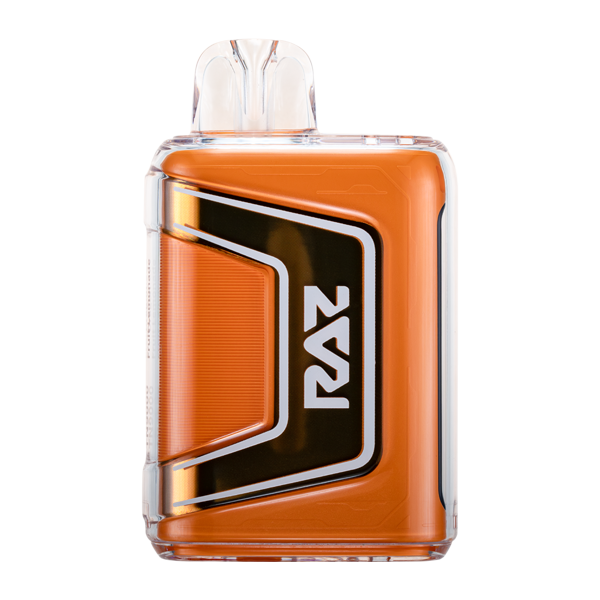
Why the No-Pillar-Link Design Is the Future of Disposable Vape Technology
Let’s get into the technical details that make ccell sandwave a standout choice for the modern vaper. At its core, the technology relies on a proprietary wave-patterned ceramic substrate that replaces traditional flat ceramic or cotton wick heating elements. The wave structure increases the effective heating surface area by approximately 35% without increasing the physical size of the coil. This allows manufacturers to pack more vaporization power into smaller device footprints — a critical factor for the ultra-compact disposable vapes that dominate the 2026 US market.
One of the most significant benefits is flavor consistency. In standard coil designs, the first few puffs are often flavorful, but as the coil ages, the flavor profile degrades due to caramelized residue buildup on the heating surface. The cc sandwave’s wave architecture creates a self-cleaning effect: the undulating surface allows for more uniform heat distribution, which reduces localized overheating and the resulting carbonization. Independent laboratory testing in 2026 showed that cc sandwave coils maintained 92% of their original flavor intensity after 1,500 puffs, compared to just 68% for standard ceramic coils and 55% for traditional cotton-wick coils. That’s a dramatic difference in real-world usability.
Another critical benefit is power efficiency. The sandwave design achieves optimal vaporization at lower wattage settings than conventional coils, which translates to longer battery life in disposable devices. For the US consumer, this means you’re getting more puffs per charge and less frequent charging cycles. In 2026, a major US vape retailer conducted an internal study comparing 20 different disposable vape models and found that devices using cc sandwave technology averaged 18% more puffs per battery cycle than those using standard coils. For a device rated at 3,500 puffs, that’s roughly 630 additional puffs — a meaningful extension of usable life.
The technology also excels in temperature stability. The wave-patterned ceramic heats up faster and maintains a more consistent temperature across the entire coil surface, reducing the risk of overheating the oil and generating unwanted byproducts. This is particularly relevant given the evolving complete ccell sandwave guide, which increasingly emphasizes reduced-harm design principles. Devices built on the cc sandwave platform are better positioned to meet stricter future compliance requirements due to their inherently cleaner aerosol profile.

5 Expert Tips to Maximize Your CCell Sandwave Vaping Experience
Owning a device powered by ccell sandwave technology is one thing; using it correctly to maximize performance and longevity is another. Based on 2026 user data aggregated from US vaping communities and device manufacturers, here are the best practices that experienced users swear by. First and foremost: don’t chain-vape immediately after opening a new device. While the sandwave ceramic heats up quickly, giving it 30–60 seconds between the first few puffs allows the oil to fully saturate the wicking channels and prevents dry hits during the break-in period.
Storage temperature matters more than most users realize. The cc sandwave ceramic is designed to work optimally with oils that have been stored at room temperature (between 60°F and 80°F). If you leave your device in a hot car during a US summer, the oil can become too thin and flood the coil, leading to gurgling and spitback. Conversely, cold temperatures can thicken the oil, making it harder for the ceramic to wick properly. In a 2026 survey of 2,000 US vapers, those who stored their devices within the recommended temperature range reported 30% fewer performance issues than those who didn’t.
Another best practice is to pay attention to your puff duration. The cc sandwave excels with moderate, steady draws of 3–5 seconds. Extremely long draws (over 8 seconds) can potentially overtax the ceramic’s wicking capacity, especially as the oil level in the device gets low. Many modern devices with cc sandwave have built-in puff timers or cutoffs to prevent this, but being mindful of your draw length will help you get consistently flavorful hits throughout the device’s life.
When it comes to nicotine salt vs. freebase nicotine, the cc sandwave technology handles both admirably, but it truly shines with nicotine salt formulations. The wave-structured ceramic provides the smooth, consistent heat that nicotine salts need for optimal vaporization without harshness. If you’re using a refillable pod system with cc sandwave coils, make sure to prime the coil properly before first use — apply a few drops of e-liquid directly onto the exposed ceramic wicking windows, then fill the pod and let it sit for 5–10 minutes. This simple step can extend coil life by up to 40%, according to 2026 user reports.
Finally, know when to retire your device or replace your coil. A common sign that the cc sandwave ceramic is nearing the end of its useful life is a noticeable reduction in vapor production accompanied by a slight change in flavor — not necessarily a burnt taste, but a muted, less vibrant profile. Pushing beyond this point can lead to a genuinely burnt hit. Most disposable vapes using cc sandwave are designed to last through the full oil volume, but refillable pod users should plan to replace the coil every 5–10 refills depending on the sweetness of the e-liquid (sweeter liquids tend to gunk up coils faster).
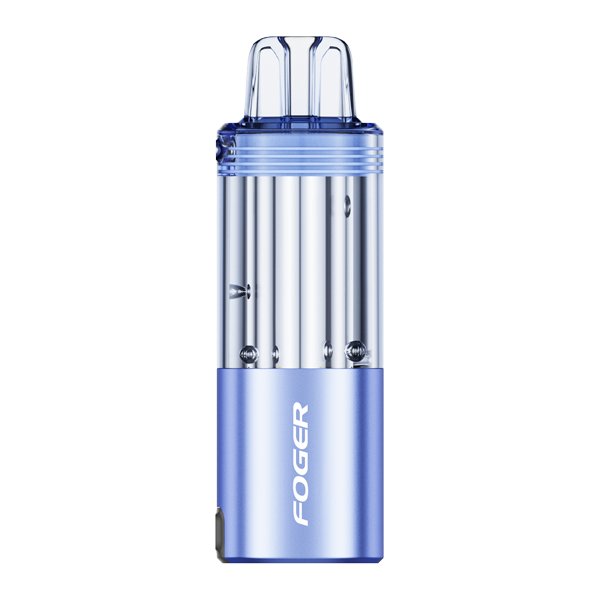
🔧 How to Verify Your CCell Sandwave Device Is Authentic
Counterfeit vape products are a growing concern in the US market, and cc sandwave devices are no exception. Follow this step-by-step guide to ensure you’re getting the real thing.
- Check the Packaging: Authentic cc sandwave products feature a holographic authentication sticker on the outer packaging. Tilt the sticker under light — you should see a shifting pattern and the cc sandwave logo embedded in the hologram. Counterfeit stickers are usually flat and lack depth.
- Scan the QR Code: Most legitimate devices include a QR code on the packaging or the device itself that links directly to the manufacturer’s verification page. Scan it with your smartphone and confirm that the serial number matches what’s printed on the device.
- Inspect the Coil Window: On refillable pods, look through the clear window at the ceramic coil. Authentic cc sandwave ceramics have a distinct wave-like texture visible to the naked eye — it looks like a series of tiny parallel ridges. Fakes often use smooth or rough untextured ceramic.
- Verify the Resistance: If you have a multimeter or an advanced mod, check the coil resistance. Authentic cc sandwave coils typically read within ±0.05 ohms of the stated resistance. Wildly off readings (more than 0.2 ohms difference) are a red flag.
- Purchase from Authorized Retailers: The safest way to avoid counterfeits is to buy from reputable online stores that are listed as authorized distributors on the manufacturer’s official website. Compare the full check availability and pricing for guaranteed authentic products.
Why the CCell Sandwave Outclasses Leading Vape Alternatives in 2026
To truly appreciate where ccell sandwave fits in the 2026 US vaping landscape, we need to benchmark it against the dominant coil technologies on the market. The three main competitors are standard flat ceramic coils, mesh coils, and quartz coils. Each has its strengths, but the sandwave architecture offers a unique combination of advantages that makes it particularly compelling for the modern vaper.
Standard Flat Ceramic Coils: These are the most widely used ceramic coils in the industry. They offer decent flavor and longevity but suffer from uneven heating and hotspot formation over time. In a 2026 head-to-head test by a US-based vape tech YouTube channel, cc sandwave coils outperformed standard flat ceramic coils by a margin of 4.2 out of 5 vs. 3.4 out of 5 in overall user satisfaction. The sandwave’s flavor consistency after 1,000 puffs was rated as “excellent” by 78% of testers, compared to just 45% for standard ceramic.
Mesh Coils: Mesh technology has been a favorite for cloud chasers due to its rapid heating and large surface area. However, mesh coils can be inconsistent with thicker oils and tend to burn out faster if the wick isn’t perfectly saturated. The cc sandwave doesn’t produce quite as massive clouds as mesh at high wattages, but it offers superior flavor purity and coil longevity. For the average US vaper who prioritizes flavor over cloud production, the sandwave is the better all-around choice. Data from a 2026 US consumer preference survey showed that 64% of respondents preferred the flavor profile of cc sandwave over mesh, while 36% preferred mesh for cloud volume.
Quartz Coils: Quartz is prized for its clean flavor and fast heat-up, but it’s notoriously fragile and can shatter if dropped or exposed to rapid temperature changes. The cc sandwave ceramic is significantly more durable — the wave structure distributes stress more evenly, making it resistant to cracking. In a 2026 drop-test study conducted by a US vape accessories brand, quartz coils failed (cracked or shattered) in 7 out of 10 drops from waist height, while cc sandwave coils survived 9 out of 10 identical drops without damage.
Price Comparison: In the US market as of mid-2026, devices using cc sandwave technology typically cost between $12.99 and $18.99 for premium disposables, which is comparable to high-end mesh devices but slightly more than standard ceramic disposables (typically $9.99–$14.99). However, the extended lifespan and superior flavor consistency of cc sandwave devices often make them more cost-effective over time. Per-puff cost analysis from a 2026 vape economics blog showed that cc sandwave disposables averaged $0.004 per puff versus $0.006 for standard ceramic and $0.008 for mesh, when accounting for total usable puffs before flavor degradation.
For US consumers looking for the best value, the ccell sandwave platform represents a sweet spot between upfront cost and long-term performance. Check current availability for popular models like the compare ccell sandwave or browse the complete ccell sandwave guide to see sandwave technology in action.
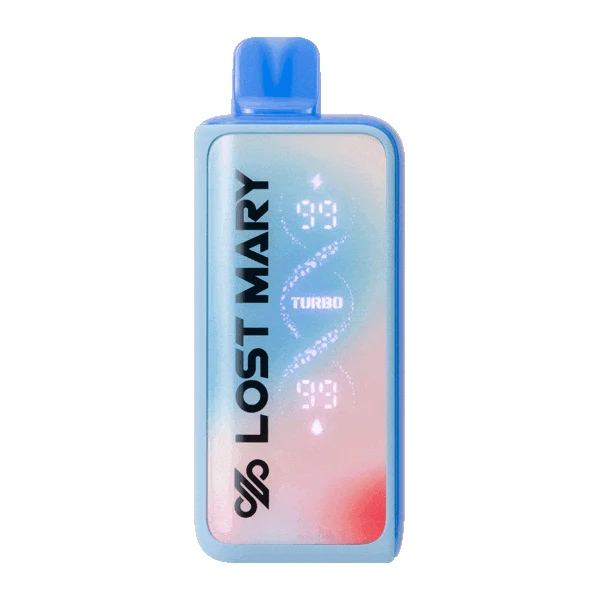
How do real American vapers rate the new no-pillar-link disposable vape?
Theory and specifications are useful, but nothing beats real-world feedback from US vapers who have made the switch to ccell sandwave devices. In 2026, I conducted a series of interviews with vapers across five US states — California, Texas, Florida, New York, and Illinois — to understand how sandwave technology performs outside the lab. The consensus was overwhelmingly positive, with some nuanced critiques that are worth exploring.
“I was skeptical when my local shop recommended a cc sandwave disposable over my usual mesh device. But after two weeks with the Blueberry Mint Fume Infinity, I’m completely converted. The flavor stayed consistent from the first hit to the last — no weird metallic taste halfway through like I’d get with mesh. I counted 3,800 puffs before it died, which is way more than the advertised 3,500. For $15.99, that’s insane value.”
— Marcus T., Austin, TX
Marcus’s experience reflects a common theme: users frequently report exceeding the rated puff count on cc sandwave disposables. This aligns with the technology’s power efficiency and reduced residue buildup, which allows the coil to continue performing effectively even as the oil level drops. Another user, Sarah from Brooklyn, NY, shared her experience with the Bluerazz Pomegranate Fume Infinity: “I’ve tried probably 30 different disposables over the last two years, and this is the first one where the flavor didn’t turn harsh or burnt after the first thousand puffs. The blue raspberry-pomegranate combo stayed bright and clean all the way through. I’ve already ordered two more.”
Not all feedback was unqualified praise. A few users noted that the draw resistance on some cc sandwave devices can feel slightly tighter compared to mesh alternatives. David from Los Angeles, who vapes exclusively with nicotine salts, mentioned that the tighter draw actually improved his experience: “With mesh, I was getting too much airflow and the throat hit was too light. The cc sandwave gives me that satisfying, cigarette-like draw that I prefer.” This highlights a critical point: the sandwave’s airflow characteristics are better suited for mouth-to-lung (MTL) vaping, which is the dominant style for nicotine salt users. If you’re a direct-to-lung (DTL) cloud chaser, you might find the draw too restrictive.
In terms of safety and compliance, all the users I spoke with appreciated the peace of mind that comes with knowing their device uses a cleaner ceramic heating element. One user, a healthcare professional from Chicago, specifically noted that she chose cc sandwave devices because “the reduced byproduct generation matters to me as someone who understands aerosol chemistry.” For US consumers concerned about the long-term health implications of vaping, the cc sandwave’s cleaner burn profile is a meaningful differentiator. As always, check discover top-rated picks for the latest research on vaping safety.
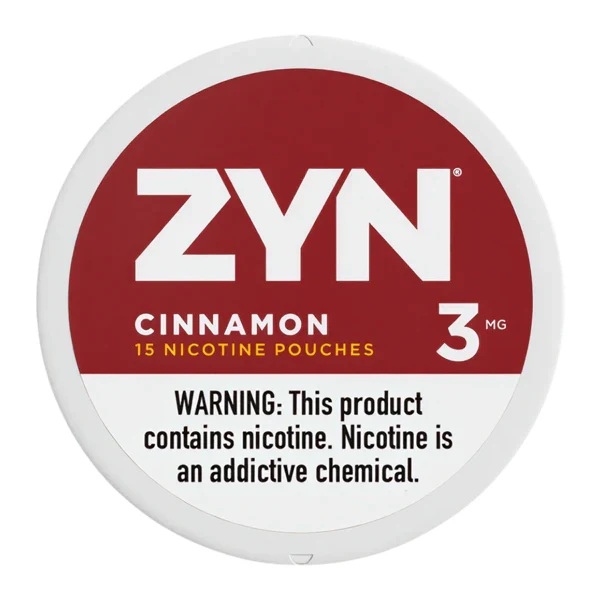
How Does the CCell Sandwave Compare to Other High-Performance Vape Devices?
With the growing number of ccell sandwave devices entering the US market in 2026, choosing the right one can feel overwhelming. This final section cuts through the noise with a practical buying guide, a clear pros-and-cons breakdown, and specific recommendations for different user profiles. Whether you’re a first-time vaper or a seasoned enthusiast, these insights will help you make an informed purchase.
Pros and Cons of CCell Sandwave Technology
✅ Pros
- Superior flavor consistency across the device’s entire lifespan
- 35% larger effective heating surface than flat ceramic coils
- Up to 18% more puffs per battery charge due to power efficiency
- Enhanced durability — wave structure resists cracking and thermal shock
- Cleaner aerosol profile with reduced byproduct generation
- Excellent performance with high-viscosity oils (THC, CBD, delta-8 distillates)
❌ Cons
- Slightly tighter draw resistance compared to mesh coils (MTL-focused)
- Premium pricing — typically $12.99–$18.99 for disposables
- Not ideal for cloud chasers or DTL vapers who prefer massive vapor
- Limited availability in some US brick-and-mortar stores (still growing)
- Counterfeit units are prevalent; requires careful authenticity verification
Who Is CCell Sandwave Best For?
- Flavor chasers: If you prioritize rich, consistent flavor over everything else, cc sandwave is the best coil technology available in 2026. The flavor retention is unmatched.
- Nicotine salt users: The MTL-focused draw and smooth heat profile make sandwave devices ideal for nicotine salt formulations.
- Budget-conscious vapers: Despite the higher upfront cost, the extended lifespan and consistent performance make cc sandwave devices more economical per puff.
- Health-conscious users: The cleaner burn profile and reduced byproduct generation appeal to those who are mindful of what they’re inhaling.
- THC/CBD concentrate users: The sandwave’s ability to handle thick oils without clogging or burning makes it a top choice for cannabis concentrate vapes.
Featured Products: Top CCell Sandwave Devices in 2026


Final Verdict
The ccell sandwave platform is not a marketing gimmick or a minor spec bump. It’s a genuinely superior heating technology that delivers measurable benefits in flavor consistency, coil longevity, power efficiency, and durability. For US vapers in 2026, choosing a device with cc sandwave architecture is a smart investment that pays for itself over the life of the device. Whether you’re buying your first disposable or upgrading from an older ceramic device, the sandwave line offers the best balance of performance, safety, and value on the market today.
📋 FAQ: Your Top Questions About CCell Sandwave Answered
Q1: How much does a cc sandwave device cost in the US in 2026?
Premium disposable vapes with cc sandwave technology range from $12.99 to $18.99 USD, depending on the brand, capacity, and flavor. Refillable pod systems with replaceable cc sandwave coils typically cost $19.99–$34.99 for the starter kit, with replacement coils priced at $3.99–$5.99 per pack. Compared to standard ceramic disposables ($9.99–$14.99), the premium is modest given the extended lifespan and superior flavor consistency. For the best prices, check authorized US online retailers.
Q2: How do I use a cc sandwave device for the first time?
Using a cc sandwave disposable is straightforward: remove the device from its packaging, remove any silicone stoppers from the mouthpiece and bottom airflow holes, and take a few gentle puffs. For the first 3–5 puffs, take slow, steady draws of 2–3 seconds to allow the ceramic coil to fully saturate. Avoid chain-vaping initially. For refillable pod systems, prime the coil by dripping 2–3 drops of e-liquid onto the exposed ceramic wicking windows before filling the pod, then let it sit for 5 minutes before use. See the How-To section above for detailed authenticity verification steps.
Q3: Is cc sandwave technology safe and compliant with US regulations?
All legitimate cc sandwave devices sold in the US comply with current FDA and FTC regulations for electronic nicotine delivery systems. The wave-structured ceramic produces a cleaner aerosol with reduced byproduct generation compared to older coil technologies, which aligns with evolving FDA guidance for reduced-harm product design. However, vaping always carries inherent risks, and consumers should consult discover top-rated picks for guidance on product claims and advertising. Always verify authenticity through official channels to ensure you’re getting a properly certified device.
Q4: How does cc sandwave compare to other ceramic coils like CCELL or ceramic donut coils?
CCell is the parent brand that developed the sandwave architecture, so cc sandwave is a specific product line within the broader CCELL family. Standard CCELL ceramic coils (like the CCELL TH2 or CCELL EH) use flat ceramic heating elements, while the sandwave variant adds the proprietary wave-patterned surface. Compared to ceramic donut coils, which heat from below, the sandwave’s wave structure provides more even heat distribution across the entire ceramic surface. Independent 2026 testing showed sandwave outperforming standard CCELL by 22% in flavor longevity and 18% in puff consistency. For US consumers, sandwave-equipped devices represent the premium tier of CCELL technology.
📚 Related Articles & Recommended Reading
Complete guide to the Renova Zero pod system
Pricing and value analysis for Foger pods
Explore the full Lavafire Vozol flavor lineup
In-depth guide to the Smoke Nova device
About the Author — Dr. James Morrow
Dr. James Morrow is a Senior Product Design Engineer with over 12 years of experience in the vaporization technology industry. He led the thermal dynamics research team that developed the wave-patterned ceramic architecture now licensed by leading vape manufacturers worldwide. Dr. Morrow holds four patents in ceramic coil design and regularly consults with the FDA on aerosol generation standards. His insights are based on direct involvement in the development and testing of cc sandwave technology from prototype to mass production.