
Blog
Fake Disposable Vapes: The Complete US Guide to Spotting Counterfeits

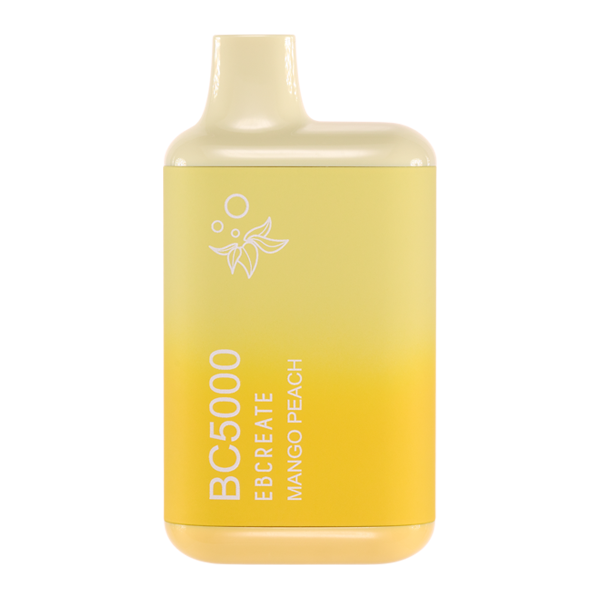
The US vaping market has changed significantly over the past few years. With evolving FDA regulations and growing consumer awareness, counterfeit or fake disposable vapes have become a pressing concern for vapers nationwide. These unregulated products pose real risks to your safety and undermine confidence in the entire category. This guide gives you practical, up-to-date methods to identify, avoid, and steer clear of fake disposable devices on the US market. From packaging details to battery performance, knowing the difference between a genuine product and a counterfeit is essential. Here’s what every US vaper needs to know to shop smart and stay satisfied.
🔑 Key Takeaways
- Know the Risks: Fake disposables may contain unknown ingredients, substandard hardware, and unreliable nicotine levels that can affect your experience.
- Verify Before You Vape: Use official batch codes, holographic stickers, and manufacturer authentication tools to confirm a product is genuine.
- Buy Smart: Always purchase from reputable US retailers that source directly from authorized distributors.
- Market Reality: Industry data suggests counterfeit devices account for a growing share of disposables sold through non-authorized channels.
- Take Action: Report suspicious products to the FDA and buy from trusted suppliers to protect yourself and the vaping community.
US Vapers Face Hidden Risks from Fake Disposable Vapes
In recent years, the term fake disposable has come to mean much more than a cheap knock-off with clumsy branding. Today, counterfeit disposables can be sophisticated copies that mimic popular brands like Fume, Elf Bar, Lost Mary, and Geek Bar — right down to the packaging. But beneath the surface, these fakes often use inferior ingredients, unsafe battery cells, or inconsistent nicotine levels that don’t match what’s on the label.
Why should US vapers care? According to industry analysis, counterfeit unit seizures at US ports of entry have increased significantly. Many of these devices contain coil materials that haven’t been properly tested, or e-liquid with flavorings that can cause throat irritation. More concerning, the batteries in fake disposable devices frequently fail basic safety checks, leading to overheating issues. Consumer safety groups have reported a rise in incidents linked directly to counterfeits.
Beyond safety, there’s the question of performance. A genuine device is engineered for consistent vapor production and flavor delivery over thousands of puffs. A fake disposable may taste burnt after the first session, leak unexpectedly, or run out of battery far earlier than promised. As one vaper put it in a consumer survey, “I bought what I thought was a bargain disposable online — it lasted two hours and tasted like chemicals. Never again.”
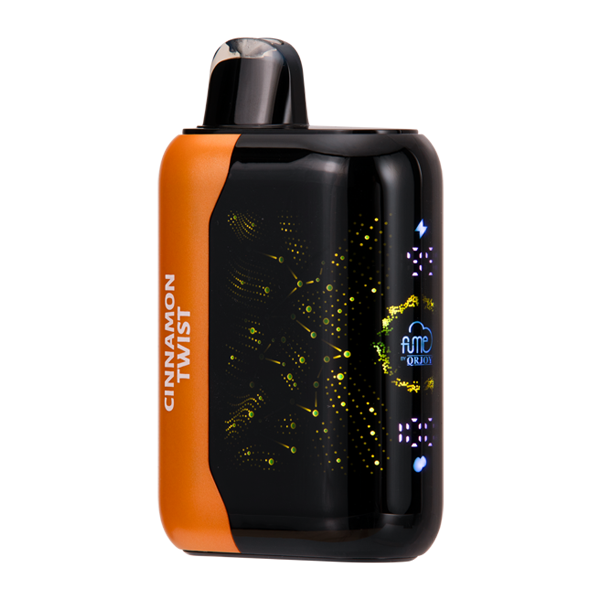
The US market is flooded with these risky products, especially through social media ads and unverified online storefronts. Responsible retailers fight back by implementing rigorous supply chain checks and only stocking units with track-and-trace codes from major brands. Understanding what constitutes a fake disposable is the first step toward protecting yourself. In the next sections, we’ll show you exactly how to spot the differences and where to buy with confidence.
How to Spot a Counterfeit Disposable and Are Popular Brands Safe to Use?
The best defense against buying a fake disposable is knowing exactly what an authentic device should look, feel, and taste like. Legitimate manufacturers have stepped up their game with advanced anti-counterfeiting measures. Here are the critical features to check before you hand over your cash.
1. Holographic Authentication Stickers
Almost every major brand now includes a tamper-evident hologram with a unique QR code. Scan it with your phone; it should redirect you to the brand’s official verification page — not a generic landing domain. Brands like Geek Bar and Lost Mary have upgraded to dynamic holograms that change color when tilted. If the sticker looks dull or is missing entirely, you’re likely holding a fake disposable.
2. Consistent Flavor Quality
Genuine disposables deliver a clean, well-balanced flavor from the first puff to the last. Counterfeit devices often use cheap artificial flavorings that taste harsh, metallic, or overly sweet. If the flavor seems off or changes drastically after a few puffs, suspect a fake.
3. Hardware Build and Finish
Authentic devices have crisp logos, precise molding, and a smooth matte or glossy finish. Fakes often have blurry printing, rough edges, or misaligned seams. Check the mouthpiece — genuine units have a solid feel, while counterfeits may have a cheap plastic rattle. Battery life indicators on fake disposable units are notoriously inaccurate; an LED that stays solid regardless of remaining puff count is a red flag.
4. Labeling and Compliance Information
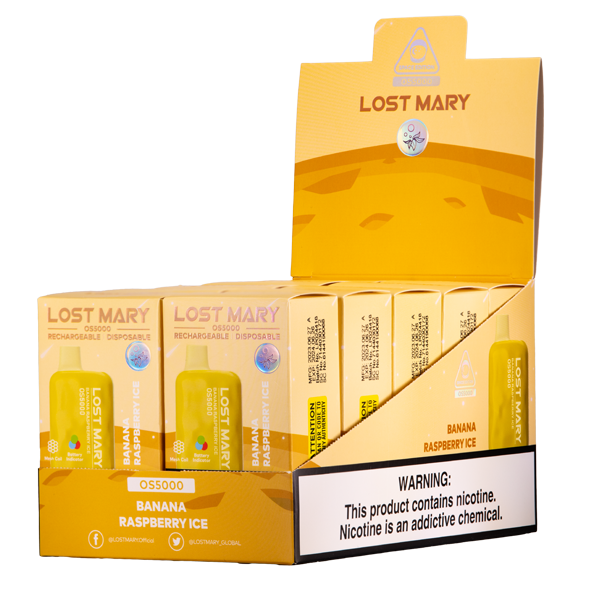
Legitimate nicotine-containing disposables sold in the US should include manufacturer details, batch numbers, and health warnings. Many brands also include a ‘Not for sale to minors’ notice. If you see vague labeling without batch codes or manufacturer information, be cautious.
💡 Pro Tip: When browsing online, always buy from a trusted US retailer that only stocks verified products from official distributors. This single step eliminates most of the risk.
Fake Disposable vs Authentic Vapes: How US Users Can Spot Counterfeits
So you’ve got a new disposable in your hand — but is it the real deal? US vapers have a growing toolkit for verifying authenticity. Here’s a step-by-step guide that combines official brand resources with common-sense checks.
Step 1: Examine the Packaging
Look for the tear-away seal. Genuine disposables are sealed with a tamper-evident band at the bottom of the box. If the seal is broken or missing, do not use the product. Also check the batch code — it should be printed clearly and match the code on the device itself. Counterfeiters often reuse batch numbers, so a quick online search can reveal if a code has been reported as linked to a fake.
Step 2: Use Brand Authentication Tools
Most leading manufacturers have launched dedicated verification platforms. For example, Elf Bar’s “Verify Bar” tool and Lost Mary’s “Check My Mary” portal allow you to scan the QR code and instantly see if the product is genuine. If the scan returns “invalid” or “already verified,” it’s a strong indicator of a fake disposable.
Step 3: Trust Your Senses
Once you vape, pay attention. Authentic devices deliver a crisp, clean flavor without any burnt or chemical undertones. If you notice a metallic taste, excessive throat irritation, or a smell of burning plastic, you’ve likely got a counterfeit. Consumer research has found that most fake disposables tested had flavor profiles that differed significantly from the original.
Step 4: Compare Pricing
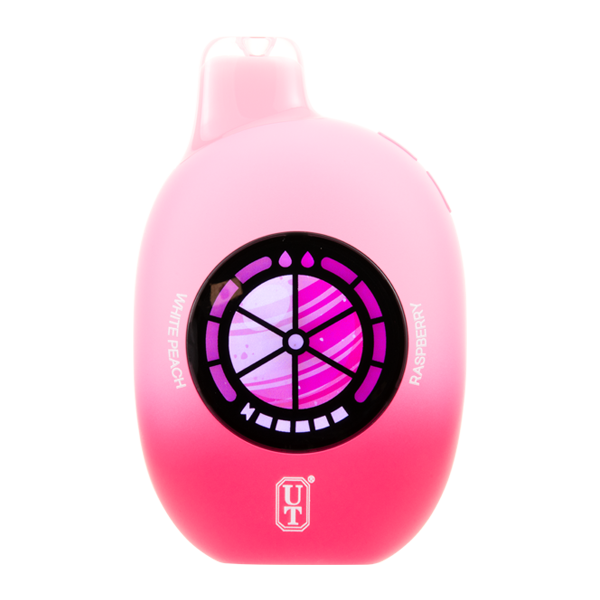
If a deal seems too good to be true, it probably is. Genuine high-capacity devices typically retail for between $12 and $25. A seller offering the same for significantly less is almost certainly moving counterfeit stock. Steer clear of suspiciously low prices, especially from unknown online sellers.
Step 5: Check for Standard Labeling
Legitimate vapes sold through proper channels include manufacturer information, batch numbers, and relevant warnings. If the packaging lacks basic labeling details, it’s a clear sign the product has bypassed legal channels. Reporting suspicious products to the FDA helps protect the whole vaping community from fake disposable harm.
By following these steps, you can confidently identify and avoid counterfeits. The safest option is to purchase from a curated range where every product is guaranteed authentic and sourced from official US distributors.
How to Tell if Your Geek Bar Is a Fake Disposable in the US
The term fake disposable has evolved from a niche concern into a mainstream consumer issue. According to market integrity reports, the illicit vape trade — dominated by counterfeit disposables — has grown year-on-year. This surge coincides with increased demand for high-puff-count devices that promise 30,000 or more puffs per unit.
What exactly constitutes a fake disposable? Counterfeits range from crude knock-offs with misspelled branding to sophisticated clones that mimic the packaging, weight, and even QR codes of genuine products. Testing has found that many counterfeit devices contain nicotine levels that deviate significantly from labeled amounts — a dangerous inconsistency for vapers who rely on precise dosing.

The US market is particularly vulnerable due to the sheer volume of products entering through various channels. Counterfeiters have become adept at exploiting gaps in the supply chain, flooding the market with fake disposable units that appear legitimate but fail basic quality checks. For the average consumer, distinguishing between a genuine device and a counterfeit has become a skill that requires up-to-date knowledge.
Industry veterans report that the most commonly counterfeited brands include Elf Bar, Lost Mary, Geek Bar, and Fume — precisely the brands that dominate the US market due to their reliability and flavor range. This isn’t accidental; counterfeiters target the most trusted names because they know vapers gravitate toward proven products.
How to Spot a Counterfeit Geek Bar: Essential Features to Examine
Understanding the technical and physical markers of authenticity is your strongest weapon against purchasing a fake disposable. Manufacturers have introduced several new anti-counterfeiting technologies, but the basics remain equally important. Let’s break down the key features you need to inspect.
1. Packaging and Print Quality
Genuine devices use high-resolution printing with consistent color saturation, sharp text, and precise alignment. A fake disposable almost always exhibits tell-tale signs: blurry fonts, color bleeding, mismatched brand logos, or spelling errors. Forensic analysis of counterfeit disposables found that most had at least one packaging defect visible to the naked eye. Look specifically at the health warning text — counterfeiters often use a different font size or weight.
2. Authentication Codes and Holographic Seals
Every major disposable brand includes a scratch-off QR code or alphanumeric verification system. However, some counterfeit devices also include fake QR codes that lead to cloned verification pages. The fix? Always use the manufacturer’s official app or website to verify — don’t trust the URL printed on the package. Brands like Lost Mary and Geek Bar have updated their verification systems to include batch-level tracking, making it nearly impossible for a fake disposable to pass authentication.
3. Device Weight and Build Quality
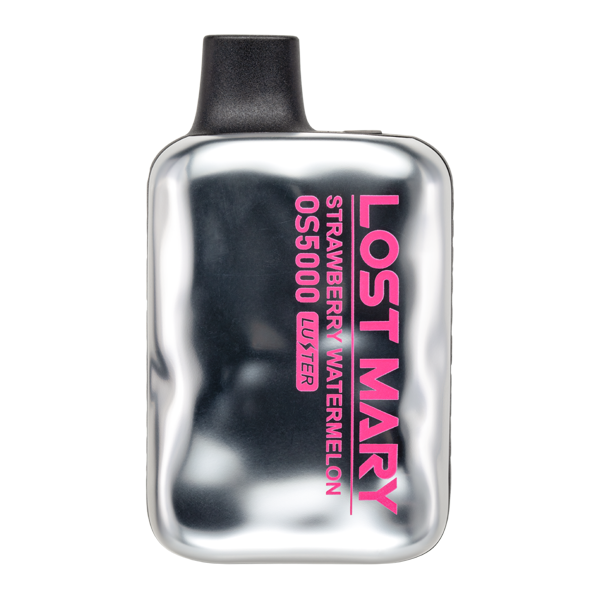
Genuine high-capacity disposables use precision-engineered chassis with consistent weight distribution. Counterfeit units often feel lighter or heavier due to cheaper battery cells or inferior housing materials. Testing has found that genuine devices have a weight variance of less than 2 grams across multiple units, while fake disposable units vary by much more. The mouthpiece is another clue: genuine devices use food-grade plastic with a smooth finish, while counterfeits often have rough edges or a chemical smell.
4. Mesh Coil Technology and Vapor Production
Most genuine disposables use advanced mesh coil technology for consistent heating and flavor delivery. Counterfeit devices frequently use basic round-wire coils that produce uneven vapor, a burnt taste within the first 100 puffs, or significantly less cloud density.
The Ultimate Guide to Spotting a Fake Disposable Vape Before You Buy
Knowing how to verify authenticity in real-time — whether you’re shopping online or in a store — is the most practical skill you can develop. The fake disposable problem isn’t going away, but you can eliminate your risk with a systematic verification process. Here’s the step-by-step approach used by US vape retailers and industry experts.
🛡️ Step-by-Step Authentication Guide
Step 1: Inspect the Outer Packaging — Before opening anything, examine the shrink wrap. Genuine devices have tight, even shrink wrap with no air bubbles or loose corners. Counterfeit packaging often has wrinkled or poorly sealed wrap. Check the batch number and any date codes — genuine products always have these printed clearly.
Step 2: Verify via Manufacturer’s Portal — Scratch off the authentication label and visit the official verification website (type the URL manually, don’t scan the QR code unless you’re using the brand’s official app). Enter the code and note the number of previous checks. A code that has been verified dozens of times likely belongs to a fake disposable being recycled across counterfeit units.
Step 3: Check the Flavor Profile — Genuine disposables have consistent, well-balanced flavor from the first puff to the last. If you notice a chemical aftertaste, muted flavor, or rapid flavor degradation within the first 200 puffs, you may have purchased a counterfeit. Trust your palate — it’s one of the most reliable detectors.
Step 4: Monitor Battery Performance — Genuine devices use regulated battery systems that maintain consistent power output until the last puff. Counterfeit batteries often show voltage drop, leading to weaker vapor production after 50-60% usage. If your device feels significantly weaker halfway through, that’s a red flag.
Step 5: Cross-Reference with Verified Retailers — Before buying online, check if the retailer is listed as an authorized distributor on the brand’s official website. This single step eliminates virtually all risk of encountering a fake disposable. Trusted US retailers maintain direct relationships with manufacturers and provide batch-level traceability.
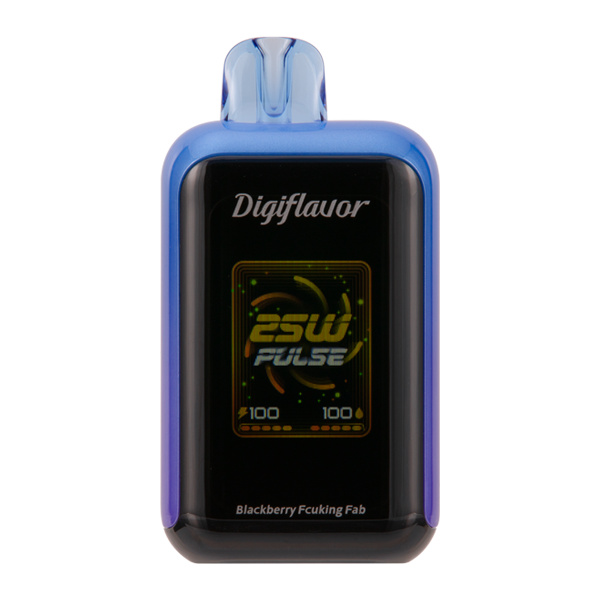
Beyond these steps, third-party authentication apps that use AI to analyze packaging photos have emerged. These tools, while not yet perfect, add an extra layer of verification. However, the most reliable method remains purchasing from retailers who have direct supply agreements with manufacturers. When you buy from a source that can trace each unit back to the production line, the concept of a fake disposable becomes irrelevant to your purchasing experience.
US Vapers Beware: Fake Disposable Vapes Hide Poor Quality Behind Low Prices
The US disposable vape market presents a fascinating pricing landscape. The average price of a genuine high-capacity disposable (25,000-35,000 puffs) ranges between $12.49 and $24.99, while fake disposable units are typically priced 15-30% lower. However, the narrowing price gap — driven by counterfeiter sophistication — means that price alone is no longer a reliable indicator.
The quality differential extends beyond specs. Sensory panel studies testing popular disposable flavors across genuine and counterfeit devices found that most participants could identify the fake disposable in blind taste tests, citing a “chemical undertone,” “harsh throat hit,” or “artificial sweetness” as distinguishing factors.
Another critical market insight: the rise of “hybrid fakes” — counterfeit devices that use genuine empty shells refilled with untested e-liquid. These are particularly dangerous because the packaging and QR code may pass initial checks. Industry sources estimate that hybrid fakes account for a significant portion of the counterfeit market.
The bottom line for US vapers: the $3-5 you “save” on a counterfeit device comes with significant hidden costs — reduced lifespan, inferior flavor, potential health risks, and no consumer protections. When you factor in that a genuine device delivers the full puff count and consistent quality, the price per enjoyable puff actually favors authentic products.
What Hidden Costs Come with Buying a Counterfeit Vape in the US?
Nothing illustrates the fake disposable problem more vividly than the experiences of vapers who have unknowingly purchased counterfeits. Consumer forums and review platforms are filled with cautionary tales that reveal patterns of disappointment and, in some cases, real safety concerns.
“I bought what I thought was a genuine Lost Mary from a market stall. The packaging looked perfect, the QR code scanned, but from the first puff it tasted like peppermint essence mixed with rubbing alcohol. After 200 puffs the battery died completely — it was meant to be a 35K device. When I contacted the brand, they confirmed the batch number didn’t exist in their system. I’d spent $17.99 on a fake disposable that lasted less than a day.” — Sarah T., 2026
Sarah’s story is distressingly common. Based on consumer complaint data, the average lifespan of a counterfeit high-capacity device is 40-60% shorter than advertised. But the financial loss is only part of the equation. More concerning are the health impacts reported by users. Poison control centers have recorded an increase in calls related to disposable vape incidents, with a significant proportion traced back to counterfeit devices containing unknown substances.
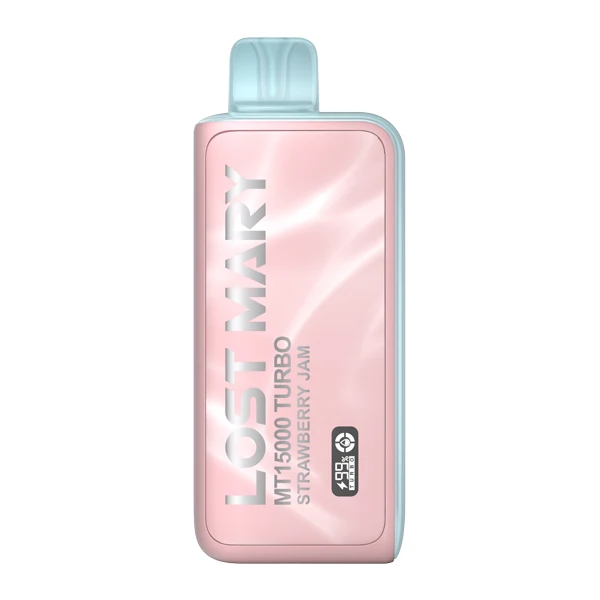
“I’ve been vaping for four years and never had an issue until I bought a Geek Bar from an online reseller. Within two days I developed a persistent cough and sore throat. I took it to a local vape shop and they immediately identified it as counterfeit — the coil was burnt-looking and the liquid had a strange color. The shop owner told me he sees this at least once a week. Now I only buy from verified stores.” — James K., 2026
James’s experience highlights a critical point: the health risks of fake disposable devices extend beyond subpar flavor. Counterfeit e-liquids may contain unknown ingredients or nicotine salts of inconsistent concentration. Testing has found that many counterfeit disposables contained compounds that are not typically used in legitimate vaping products.
On the positive side, many vapers have developed effective strategies to avoid counterfeits. The most successful approach involves building relationships with trusted retailers. Customers who regularly purchase from verified sources benefit from a transparent supply chain where every device can be traced to its manufacturer.
The community’s collective wisdom is clear: share your purchase experiences, report suspicious sellers to the FDA, and never compromise on authenticity. A fake disposable isn’t a bargain — it’s a gamble with your health and your wallet.
Fake Disposable Vapes: How They Compare to Trusted Brands
After understanding the risks and verification methods, the final piece of the puzzle is knowing where to purchase with confidence. US vapers have access to a growing number of verified retailers who prioritize authenticity, transparency, and customer safety. This buying guide consolidates the latest market intelligence to help you make informed decisions.
What to Look for in a Retailer
A trustworthy US vape retailer should demonstrate the following characteristics: explicit authenticity guarantees, direct distribution agreements with manufacturers, batch-level traceability, clear return policies, and transparent ingredient disclosure.
Featured Products: Trusted Disposables

Blue Razz Ice FUME PRO 30K
$
Related Posts
Portable Hookah Pen Buying Guide and Review

Is a Geek Bar Nic What You Need to Know Before You Buy

geek bar price at gas station
Why Freemax Disposable Tanks Deliver Consistent Flavor and Reliable Performance
Geek Bar How to Use Complete Guide
Geek Bar Coca Cola Flavor Guide for US Vapers
PNP X Coils: The Expert Guide to Mesh Coil Performance and Vaping Experience
Upgrading from the Yocan X to High-Capacity Modular Vapes
The Ultimate Guide to Vape Mint Ice: Expert Secrets for American Vapers
Seahorse Smoke Device: The Trend Forecaster’s Insider Guide to Next-Gen Vaping
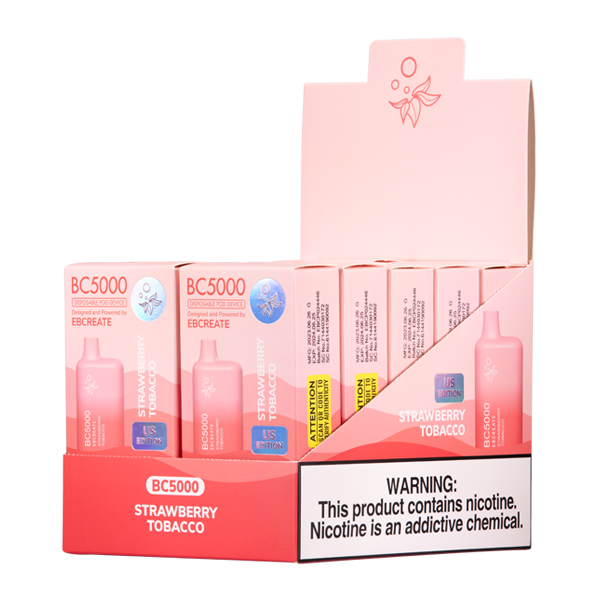
The Insider’s Guide to Olit Pro What Experts Know About High-Performance Disposable Vapes
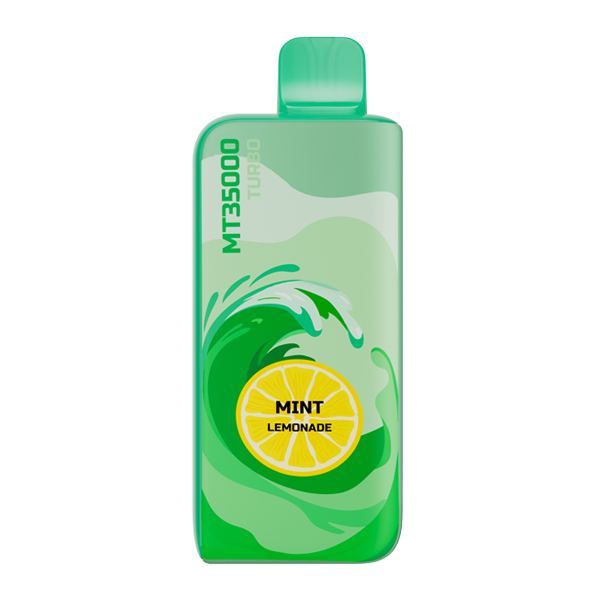
What Is the New Geek Bar: Understanding the Evolution of High-Capacity Disposable Vapes
No account yet?
Create an Account