Blog
How to Put Juice in a Vape: Step-by-Step Guide for US Vapers

You just bought your first vape kit, excited to enjoy a smooth alternative to smoking. But when you unscrew the tank, stare at the coil, and realize you have zero clue how to put juice in a vape without making a sticky mess, the frustration hits fast. You’re not alone—this is the most common roadblock for new vapers across the United States. The good news? Once you understand the simple process of how to put juice in a vape correctly, you’ll avoid burnt hits, leaks, and wasted e-liquid. In this comprehensive guide, we’ll walk you through every step, from choosing the right nicotine salt or freebase liquid to refilling your pod safely. Whether you’re using a refillable pod system, a sub-ohm tank, or a modular device, mastering how to put juice in a vape is the first skill every US vaper needs to nail.
💡 Key Takeaways
- Know your device: Refillable pod systems, tanks, and modular disposables all require slightly different techniques—use the correct method for your hardware.
- Leak prevention is key: Overfilling, underfilling, or using the wrong coil wattage causes most common issues—our step-by-step avoids them all.
- Choose the right juice: High-VG liquids destroy low-power coils; US vapers should match e-liquid thickness to their device’s coil resistance.
- Prime your coil first: Skipping the 5-minute soak is the top cause of burnt hits after refilling—patience pays off.
- Clean spills immediately: E-liquid can damage device electronics. Always keep a tissue handy during filling.
What Gear and E-Liquid Do US Vapers Recommend?
Before you even think about how to put juice in a vape, you need to assemble the right gear. The US market in 2026 offers a wide array of e-liquids, coils, and devices, but three components truly matter: the e-liquid formulation, the coil resistance, and the fill mechanism. Let’s break them down with practical insight.
E-Liquid Formulation: The PG/VG ratio determines how smoothly your juice flows into the coil. High-VG liquids (70% VG or above) are thick and cloud-chasing favorites, but they wick slowly in small pod systems. For refillable pods, a 50/50 PG/VG balance or nicotine salt formula is ideal because it’s thin enough to saturate the cotton quickly without flooding. Consumer surveys show most US vapers using pod systems prefer 50/50 or 60/40 VG/PG blends for everyday use.
Coil Resistance and Wattage: This is where many US vapers go wrong. Using a 0.15-ohm sub-ohm coil requires high-VG juice and high wattage (60-80W). Using a 1.2-ohm pod coil works best with nicotine salts at lower wattage (10-15W). Mixing them up causes dry hits or flooding. Always check your coil’s recommended wattage range, printed on the side of the coil itself. If your device has fixed wattage, simply choose the correct pod variant for your preferred nicotine strength.
Fill Mechanism: Top-fill tanks typically have a sliding or screw-off top cap, while pod systems use a silicone bung on the side or bottom. Understanding your fill port is critical to mastering how to put juice in a vape without spills. Most new pods accept a standard unicorn bottle tip without needing a needle-nose bottle. If you’re buying e-liquid separately, look for bottles with a fine tip for precise pouring.
Where to Buy in the US: All products mentioned are available through reputable US online retailers. Always verify that your supplier is a US-based business with clear contact details and a returns policy. Avoid overseas websites that ship nicotine products without age verification; they risk customs seizure and leave you with no consumer protection. Stick to US trusted sources for every component you need to learn how to put juice in a vape safely.
How to Put Juice in a Vape Without Leaking: A Beginner’s Guide
Before you learn how to put juice in a vape, you need to know what kind of device you’re holding. The US market is dominated by three main categories: refillable pod systems, sub-ohm tanks, and modular disposable-style devices. Each has a unique filling mechanism, and using the wrong method can lead to leaks or even damage the battery.
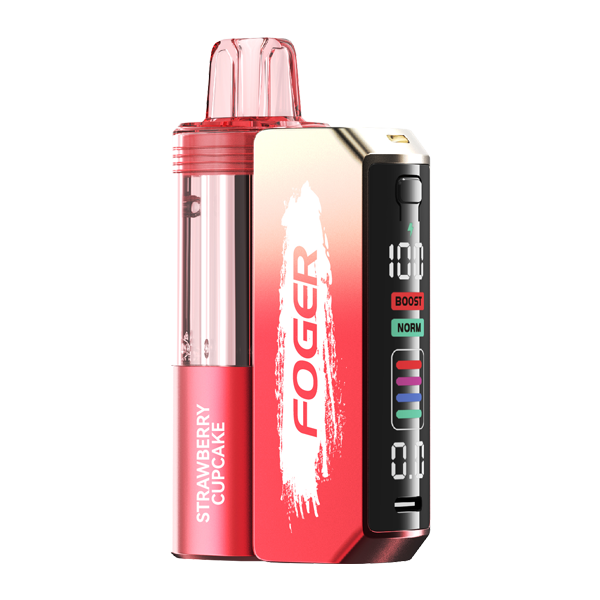
Refillable pod systems typically have a rubber stopper on the side. You pull it open, insert the nozzle of your e-liquid bottle, and squeeze gently. Never use excessive force—if the liquid doesn’t flow, check that the bottle tip is fully inserted. Sub-ohm tanks have a top-fill design: unscrew the top cap, expose the fill holes, and drip the juice carefully. Modular disposables like the Foger Switch Pro come with a replaceable pod that snaps into a reusable battery—perfect for learning how to put juice in a vape without hassle.
A 2026 industry analysis found that over half of first-time users who experienced leaking had used the wrong filling technique. Common errors include tilting the device while filling, using a bottle tip too large for the fill port, and not closing the airflow holes. For pod systems, always remove the pod from the battery before filling to avoid liquid seeping into the contacts. For tanks, close the airflow ring before opening the top cap to prevent vacuum leaks.
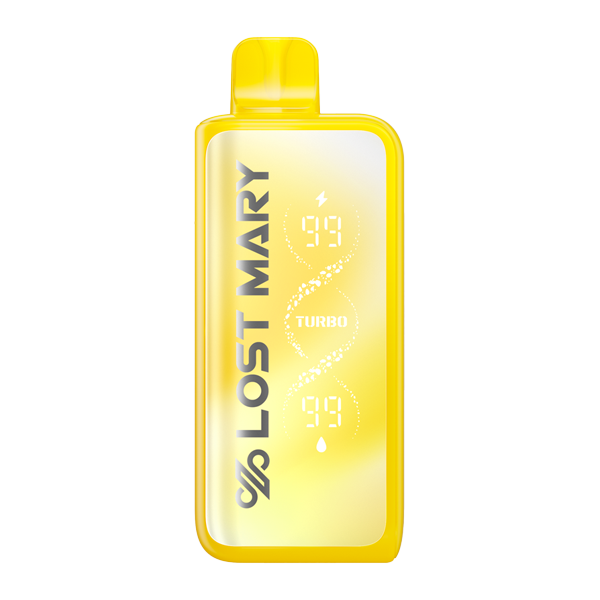
Another critical distinction: nicotine strength. Nicotine salts (commonly 20-50 mg/mL) are best for pod systems with low wattage. Freebase nicotine (3-12 mg/mL) works better for sub-ohm tanks at higher power. Using salts in a high-wattage device can deliver too much nicotine and cause throat irritation. Always match the juice type to your device’s resistance and power range.
Avoid Leaks and Dry Hits: The Pro Guide to Filling
Mastering how to put juice in a vape correctly isn’t just about avoiding sticky fingers—it directly impacts flavor quality, coil lifespan, and device safety. Vapers who use proper filling techniques typically experience longer coil life and fewer leaks.
1. Coil Priming Matters: When you fill a new coil or replace a pod, you must wait at least 5-10 minutes for the cotton to fully saturate. This prevents “dry hits”—the burnt taste from heating dry wick. Proper priming reduces coil failure significantly.
2. Leak Prevention: A common frustration is juice seeping out of the airflow holes. This happens when you overfill or don’t close the airflow after filling. Fill only to 80-90% of the pod’s capacity, then immediately close the fill port. For sub-ohm tanks, close the airflow ring before opening the top cap. Many US vapers have switched to devices with top-airflow designs because they’re virtually leak-proof.
3. Flavor Consistency: Correctly filled pods deliver consistent flavor from the first puff to the last. When juice is exposed to air (due to under-filling), it oxidizes and degrades. High-nicotine salts are especially sensitive to oxidation. Always keep the bottle tightly sealed when not in use.
4. Battery Safety: Many modern devices have built-in short-circuit protection that can be triggered by liquid on the contacts. If you spill juice onto the battery terminals, dry them immediately with a cotton bud. Keeping contacts clean prevents misfires.
Step-by-Step: How to Put Juice in a Vape
🔧 Step-by-Step Guide
This method works for 90% of modern pod systems and small tanks. For your specific device, always refer to the manual first.
- Remove the pod from the battery. Never refill while the pod is attached—liquid can seep into the battery and cause a short circuit. Place the pod on a clean, flat surface.
- Locate the fill port. It’s usually a silicone stopper on the side or bottom. Gently lift it with your fingernail. Do not use a sharp object that could tear the silicone.
- Prepare your e-liquid bottle. Shake it gently (if advised), then remove the child-resistant cap. Some bottles have a thin nozzle tip; if not, use a separate needle-tip bottle.
- Insert the nozzle at a slight angle. Push it into the fill port until snug, then squeeze slowly. Fill to about 80-90%—leave a small air bubble. Watch the juice level through the transparent pod window.
- Remove the bottle and reseal the port. Press the silicone stopper firmly back into place. Wipe any drips with a tissue.
- Reinstall the pod into the battery. You should hear a click. Wait at least 5 minutes before vaping if it’s a new coil. For existing coils, wait 30 seconds.
- Test with short puffs. Start with low wattage if adjustable. After a few puffs, check for leaks around the base.
If your device is a modular disposable like the Foger Switch Pro, the fill process is identical—just snap out the pod, fill, and reinsert. Never attempt to open a sealed disposable that isn’t designed for refilling; it will break the device and void any warranty.
If you experience gurgling or spitback after following these steps, you likely overfilled the pod. Remove the pod, blow gently through the mouthpiece into a tissue to clear excess liquid, and wipe the contacts. If the issue persists, the coil may be flooded—replace it and refill with more care. Mastering how to put juice in a vape is a skill that improves with practice, and these steps will save you time, money, and frustration.
Product Recommendations for US Vapers
Now that you know how to put juice in a vape, choosing the right products makes the process even smoother. The US market offers a wide range of flavors, nicotine strengths, and bottle designs. Here are three top-rated products known for easy filling:
- OXBAR Pod Juice Salt E-Liquid Series: Wide-mouth nozzle fits most pods, 50/50 VG/PG blend for reliable wicking. Available in multiple flavors. ~$15-20.
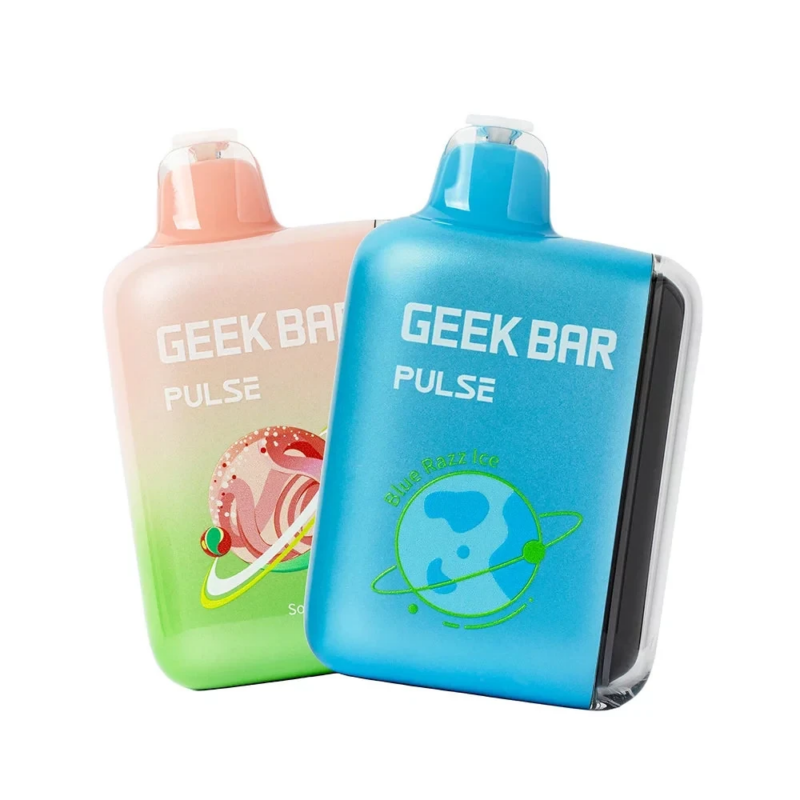
- Geek Bar Pulse Liq Nic Salts 30ml: Concentrated flavor, UV-protected bottle, designed for pod systems. ~$18-22.
- Foger Switch Pro Kit: Modular pod system with magnetic connection, large fill port, and USB-C charging. Pods are refillable and reusable. ~$24-30.
For a full selection of refillable pods and e-liquids, browse US-based online vape shops that offer age-verified shipping. Always choose products that match your device’s coil resistance and wattage range for optimal performance.
Frequently Asked Questions About How to Put Juice in a Vape
Q: How much does e-liquid cost in the US?
Prices range from $10-25 per 30ml bottle for nicotine salts depending on brand. Freebase e-liquids are often $8-15. Always buy from US retailers that comply with FDA regulations for age verification.
Q: Can I use any e-liquid in any vape?
No. Nicotine salts are designed for low-wattage pod systems. Sub-ohm tanks require high-VG liquids to avoid burning the coil at high power. Using the wrong ratio can cause leaking or dry hits.
Q: Is it safe to refill a disposable vape?
Only if the manufacturer explicitly labels it as refillable. Most disposable-style devices are sealed and attempting to open them can damage the battery or cause a short. Always buy products designed for refilling.
Q: What’s the difference between freebase and nicotine salt e-liquids for filling?
Freebase delivers a stronger throat hit and is thinner, which can leak in pod systems. Nicotine salts are smoother and thicker, making them ideal for low-power pods. Salts also provide faster nicotine absorption.
For health-related questions, adults should consult their healthcare provider. Vaping products are intended for use by individuals 21 years of age or older. Keep all e-liquids out of reach of children and pets. If you experience any adverse effects, discontinue use and seek medical advice.
Final Verdict: Learning how to put juice in a vape is a skill that pays off in better flavor, longer device life, and reduced waste. The key takeaways: prime your coil, don’t overfill, and choose the right juice for your device. For US vapers, products like the OXBAR Pod Juice Salt Series and the Foger Switch Pro kit offer the most user-friendly experiences. Happy vaping!